


Boston Pizza
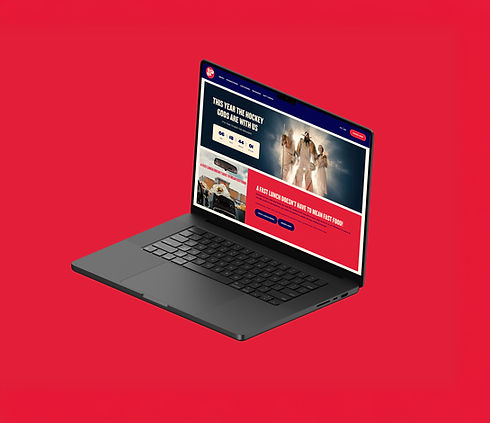
I worked on Boston Pizza’s brand refresh during their transition to Adobe Experience Manager, translating a new visual direction into scalable UI components while improving key gaps in the existing experience. Working within a limited design system, I reskinned existing interfaces and introduced new components to support a more flexible and modern web experience.
A key focus of my work was redefining location pages as structured, content-rich experiences that could improve usability, support franchise owners, and strengthen discoverability.
Role & Scope
-
UI and component design within limited brand guidelines
-
Reskinned web experience to align with a new brand direction
-
Designed new reusable components across the site
-
Location page experience proposal and structure redesign
-
Design QA and close collaboration with developers
-
AEM implementation support
The Problem
The website met core functional requirements but lacked flexibility, depth, and content adaptability.
Pages were static and limited in their ability to support promotional or evolving content. This was particularly evident on location pages, where franchise owners had minimal ability to surface location-specific updates, events, or unique information beyond standard details like hours and address.
As a result, location pages offered little differentiation between restaurants and did not reflect the full range of information users were actively seeking, much of which existed only on third-party platforms.
The Strategy
The work focused on improving both the flexibility of the design system and the structure of location-level content.
First, I introduced reusable components that allowed more dynamic content to be integrated across the site, enabling promotional and storytelling content to be surfaced more effectively within existing page templates.
Second, I restructured the approach to location pages, shifting them from static listings to structured content systems that could support richer, more meaningful location-specific information at scale.

Key Contributions
System-level component design
Designed video, social media, and countdown clock components to introduce more dynamic content across the site. These components enabled promotional messaging and brand storytelling to be integrated into a previously static system without requiring structural changes to core templates.
Location page experience redesign
Defined a new location page structure that enabled franchise owners to surface relevant, location-specific content in a more flexible and scalable way. The redesign introduced a more structured approach to how information is organized and presented across individual restaurant pages.

Results
The redesigned experience gave Boston Pizza greater flexibility to surface promotional content, support evolving marketing initiatives, and better showcase location-specific information. New components were successfully adopted across the site, while the enhanced location page framework created a stronger foundation for discoverability, local content, and future growth within Adobe Experience Manager.
Reflections & Learnings
One of the key challenges was balancing stakeholder requests with established user behavior in the restaurant locator experience. A decision to prioritize alphabetical results over proximity was later reversed after testing confirmed users expected the closest locations first.
This reinforced the importance of grounding decisions in user expectations and being more direct in advocating for the right solution early, rather than adjusting after implementation. It strengthened how I communicate trade-offs and push for usability-focused decisions when they matter most.


